Understanding Indoor Humidity: How Your HVAC System Can Help May 05, 2026
The ideal indoor humidity level usually ranges between 30% and 50%. Falling below or rising above this range can lead to various issues. Low humidity often results in dry skin, irritated eyes, and respiratory problems, while high humidity can promote mold growth and dust mites, impacting your home's air quality and structural integrity. Fortunately, your HVAC system is a critical tool in maintaining optimal humidity levels.
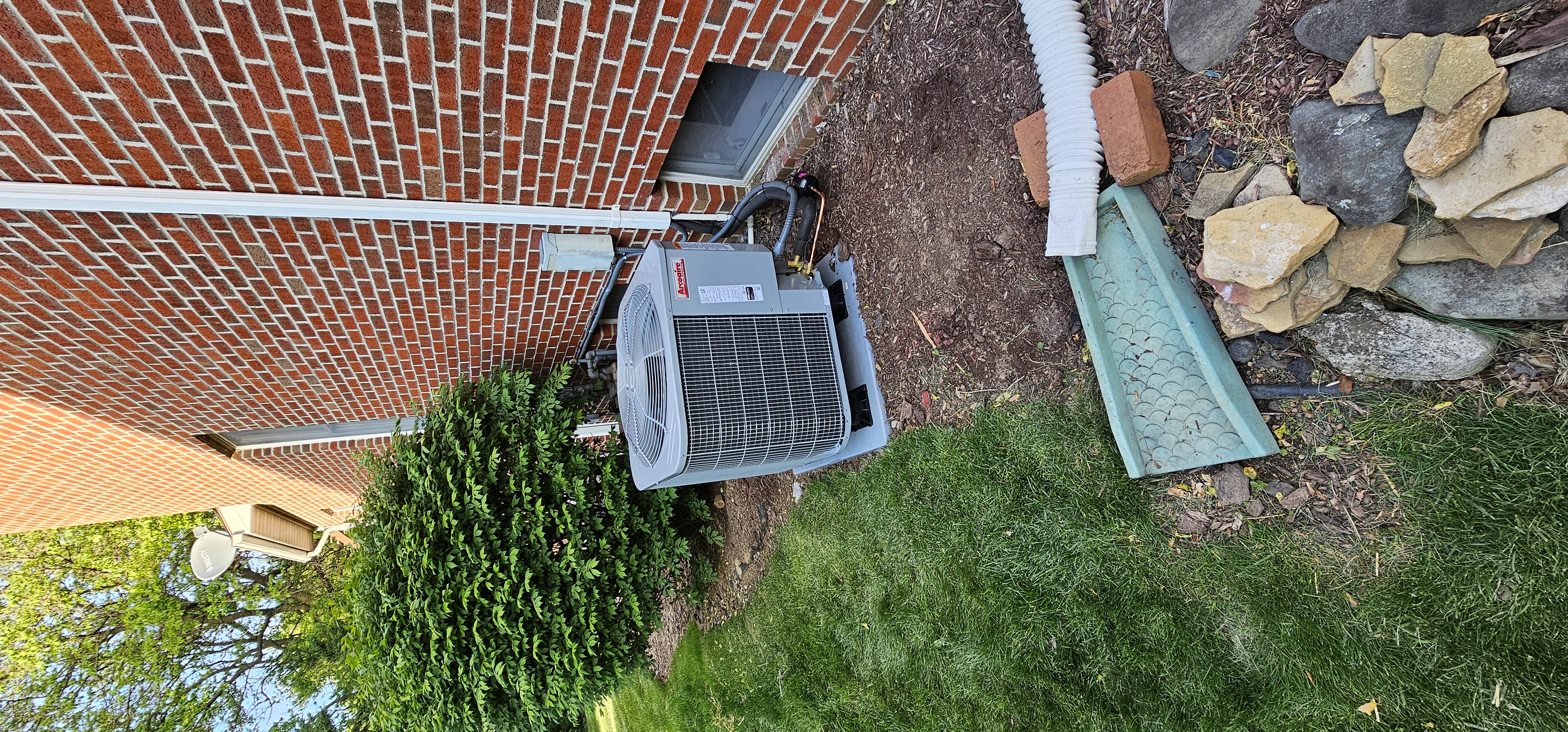
During the summer, your air conditioning system plays a vital role in dehumidification. As it cools the indoor air, it simultaneously removes excess moisture, helping to maintain a comfortable environment. However, if your AC unit is too large for your space, it might short cycle, missing the essential dehumidifying process and leaving your home feeling damp. This is why having an appropriately sized HVAC system, installed professionally by Chaney’s Mechanical Services, is crucial for effective humidity control.
In the winter, humidity levels naturally drop as heating systems can dry out the air. This is where humidifiers, which can be integrated into your HVAC system, become valuable. Humidifiers add moisture to the air, combating the drying effects of your heating system. Adjusting your humidifier settings in conjunction with your thermostat allows for better control over your indoor environment, ensuring comfort and safeguarding your health.
Beyond the integral components of your HVAC system, regular maintenance plays a significant role in humidity management. Service elements like cleaning or replacing air filters, inspecting ductwork for leaks, and ensuring proper ventilation can all help your system function efficiently. Regular inspections by professionals like those at Chaney’s Mechanical Services can prevent issues that may lead to unbalanced humidity levels.
Investing in a smart thermostat can also offer a smarter approach to controlling humidity. These devices allow for precise monitoring and adjustment of your home's humidity levels, optimizing energy use and enhancing comfort. By pairing a smart thermostat with your HVAC system, you can achieve greater efficiency and lower your energy costs, making it a win-win situation.
For those experiencing ongoing issues with humidity despite having a well-maintained HVAC system, additional equipment like dehumidifiers or ventilators may be necessary. Dehumidifiers can be particularly beneficial in wet climates or basements where moisture tends to accumulate. Ventilators also aid by bringing in fresh air, which is critical in maintaining indoor air quality and expelling excess humidity.
In conclusion, understanding and controlling indoor humidity is vital for a healthy and comfortable living environment. Your HVAC system, when properly maintained and utilized, is an effective means of achieving this balance. Chaney’s Mechanical Services is committed to providing you with the expertise and service needed to ensure your HVAC system supports optimal humidity levels. If you're unsure about the best solutions for your home, our team is ready to help you identify and implement effective strategies tailored to your needs. By taking proactive steps with your HVAC system, you can ensure a comfortable, healthy home environment year-round.
/filters:no_upscale()/filters:format(webp)/media/fdc54a80-f4f9-48b8-97c0-25a03503d1f6.jpeg)