Geothermal vs. Conventional HVAC: Comparing Costs and Benefits for Modern Homes Jul 04, 2026
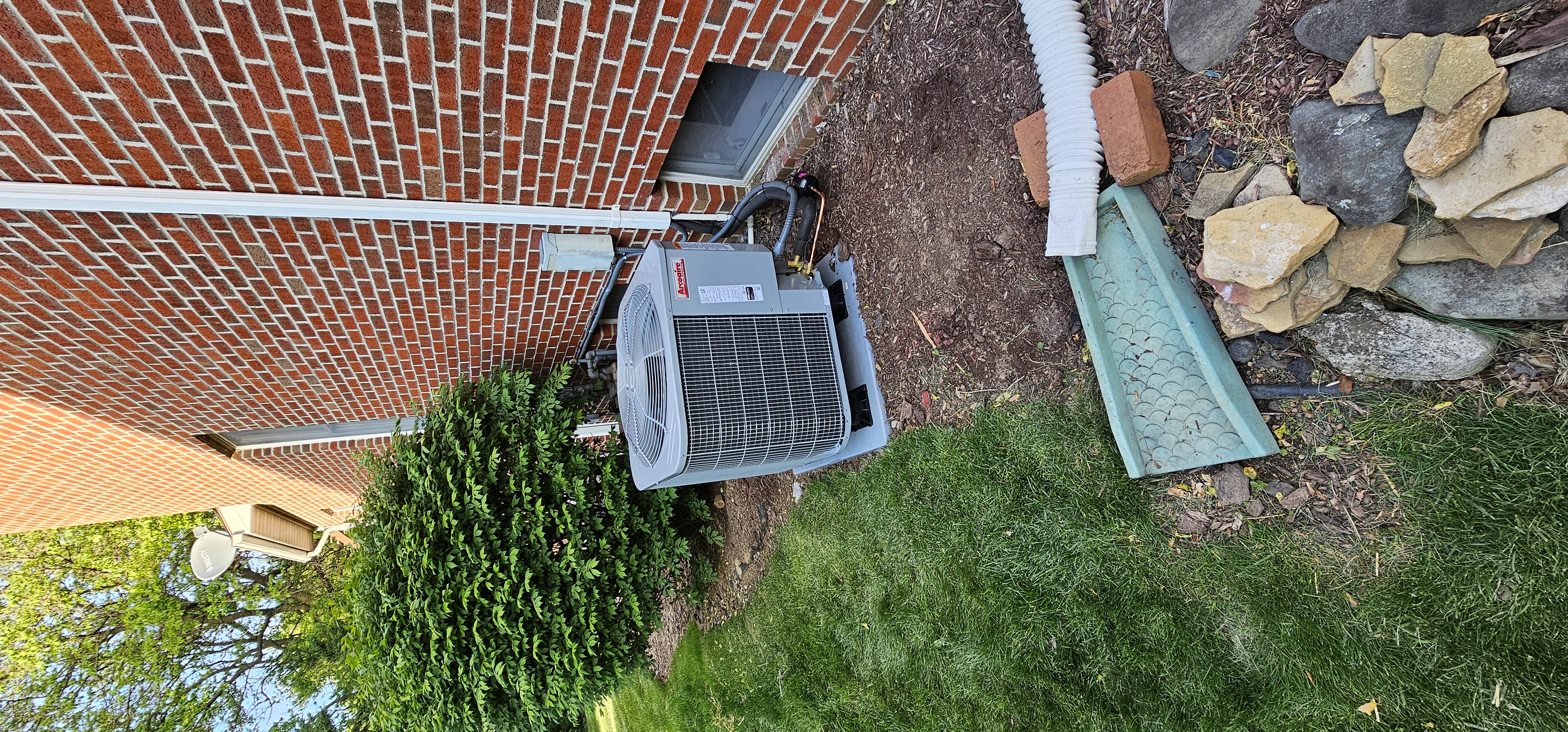
First, let’s explore what these systems entail. Conventional HVAC systems typically refer to home heating and cooling mechanisms that use air-based heat pumps, furnaces, or air conditioning units, relying primarily on external air to regulate indoor temperatures. These systems are tried and true, often more affordable upfront and familiar to many homeowners. However, they depend heavily on electricity or fossil fuels and can be inefficient in extreme weather conditions.
On the other hand, geothermal HVAC systems leverage the earth’s stable underground temperature. By circulating fluid through an underground loop system, geothermal heat pumps effectively transfer heat to or from your home. This innovative setup provides efficient heating and cooling year-round, minimizing the energy required compared to conventional systems.
Cost is a pivotal factor in the geothermal versus conventional HVAC debate. Initially, geothermal systems have a higher installation cost due to the need for drilling and component complexity. But here’s the catch that can swing the decision for many: geothermal solutions can slash energy bills by up to 70%, offering substantial savings over time. Plus, homeowners can benefit from various federal and state incentives aimed at promoting renewable energy systems, greatly offsetting initial expenses.
Conventional systems, with their lower installation costs, can be a more feasible option for those with budget constraints or immediate needs. Maintenance and repair costs are generally manageable since parts and service expertise are widely available. However, traditional HVAC systems typically have shorter lifespans and higher operational costs due to energy inefficiencies and variable weather impact.
Environmental impact is another significant consideration. Geothermal systems boast near-zero emissions, significantly reducing a household’s carbon footprint. Their reliance on the earth's consistent temperature rather than combustion makes them a greener choice. Conventional systems, conversely, contribute to higher greenhouse gas emissions and depend on less sustainable energy sources.
Energy efficiency continues to dominate the list of geothermal system benefits. With an effective coefficient of performance (COP) surpassing conventional systems, geothermal heat pumps transfer three to four times the amount of energy they consume. This efficiency translates into consistent year-round performance, regardless of seasonal weather extremes.
Comfort, the reason for any HVAC choice, varies between these systems. Geothermal systems provide even temperatures with fewer start-stop cycles, reducing noise and wear and tear. Conventional systems might offer more instant heating or cooling but are prone to create hot and cold spots due to cycling.
In conclusion, the choice between geothermal and conventional HVAC systems should align with your long-term financial goals, environmental priorities, and comfort needs. At Chaney’s Mechanical Services, our experts are ready to offer personalized guidance that aligns with your home’s specific requirements. As you weigh your options, consider both upfront costs and future savings to ensure a decision that delivers optimal comfort and efficiency tailored to modern living demands.
/filters:no_upscale()/filters:format(webp)/media/fdc54a80-f4f9-48b8-97c0-25a03503d1f6.jpeg)